




 Toyota
 Bosch
Bosch Hyundai
 UPS
UPS DoorDash
 Volkswagen
You’re testing robot behaviourthe way software teams tested code in 2005.
Booking hardware to validate a change made sense when fleets were small and releases were rare. Neither is true anymore.
 before
Tighten pedestrian yield distance
narrow aisle, pedestrian
 with halden
2,400
scenarios per change
A lab rig runs what fits in a night. Halden runs the full library, plus every incident you’ve replayed, on every pull request.
10 min
to a verdict
No lab booking, no robot to reset, no GPU queue. The sweep finishes in the time it takes to review the change.
the PR
where regressions surface
Failures arrive as a diff against your last known-good policy, with video, before anything ships.
Connect, pick, run, gate.Four steps to a policy you can trust.
- 1
Connect your repo
Point Halden at your repository and bring your robot model. Works with ROS 2 and the physics backends you already use; Halden runs on top of your simulator, it doesn’t replace it.
- 2
Pick your scenarios
Start with 2,400 pre-built scenarios across warehouse, aerial and manipulation tasks. Add your own by describing them, or replay a real incident straight from a rosbag.
- 3
Run on every change
Each pull request triggers a sweep executing in parallel in the cloud. A full 2,400-scenario run finishes in the time it takes to review the PR.
- 4
Gate the deploy
Results come back as a pass/fail diff against your last known-good policy. Below your threshold, the deploy is blocked and the failing scenario is waiting with video attached.
From commit to verified policyin ten minutes.
A working setup end to end: connect a repo, run 2,400 scenarios, watch six fail, open the video of the one that matters. No slides.

 halden — sweep view
One pipelinefrom commit to verified policy.
Everything between a policy change and a verified deploy runs in one place, so nothing gets lost between the lab, the logs and the pull request.
Warehouse, aerial and manipulation coverage on day one: narrow aisles, unexpected pedestrians, gusting wind, lost GPS, partial occlusion, dropped payloads.
- warehouse
- 1,312
- aerial
- 604
- manipulation
- 484
warehouseaerialmanipulationwarehouseaerialwarehousemanipulationwarehousegeneratingwarehouseaerialmanipulationnarrow aisle, pedestrian steps outlow lightocclusiona library on day onefilter by where your robot worksevery scenario is a real situationor describe a new one in a sentencePoint Halden at a rosbag from the field and it rebuilds the moment as a scenario. From then on, every pull request has to get past it.
added to suiteamr-031 · bay 7near missconvertingbay7_2026-08-14_amr-031.mcap412 mbreplay_bay7_near_missa near miss on a real robotdrop in the rosbagrebuilt in simulationit runs on every pull requestEvery sweep fans out across thousands of simulation instances at once, so a full library run takes minutes instead of a night on the lab rig.
PR #1843Tighten pedestrian yield distancesweep triggered2,400 / 2,4008m 47sa pull request opensevery scenario starts at oncethousands of simulations in parallelback before the review isResults are compared against your last known-good policy. You see what newly fails, what recovered, and the video of each, not ten thousand lines of logs.
v41v426 new failuresv41 · yieldedv42 · collision 00:03.81v42v41every run is compared with the last good policyonly what newly failswith video of the exact momenttelemetry shows where it went wrongPick the pass rate a policy has to hit. Below it, the merge is blocked and the failing scenario is waiting with video attached.
v43PR #1843ci / buildci / unit-testshalden / scenario-sweep0 new failuresallowed0Merge pull requestthe sweep runs with your CIover the threshold, the merge stopsfix the policy, run againonly then does it reach the fleet
Your models neverleave your control.
Robot models and field telemetry are among the most sensitive things a robotics company owns. We treat them that way, and we never train on them.
 SOC 2 Type II
- Encrypted at rest and in transit
- GDPR compliant
- Deletable on request
- Self-hosted runners
- VPC deployment
- EU data residency
- SSO and SAML
- Never trained on your models
- No telemetry resale
- Pen-tested annually
- Audit log on every run
Legal signed off in a week. Our models run in our own VPC and never leave it.
 Tomás Vargavp engineering, northbay amr
Run it onyour own robot model.
500 simulation-hours free every month. Connect a repo and see your first scenario result in ten minutes, no sales call.
Runs on the stackyou already build with.
ROS 2 and the common physics backends, triggered from your existing CI. Reads rosbags directly, so a real incident becomes a scenario in one command.
 GitHubci
 GitLabci
 Jenkinsci
 ROS 2middleware
 Foxglovevisualisation
$ halden replay ./bay7_2026-08-14.mcap --name bay7-near-missrosbag becomes a regression testNumbers we’ll show youbefore you sign anything.
Measured across 1,100 policy changes with design partners. Methodology published in the docs.
What our customers say.
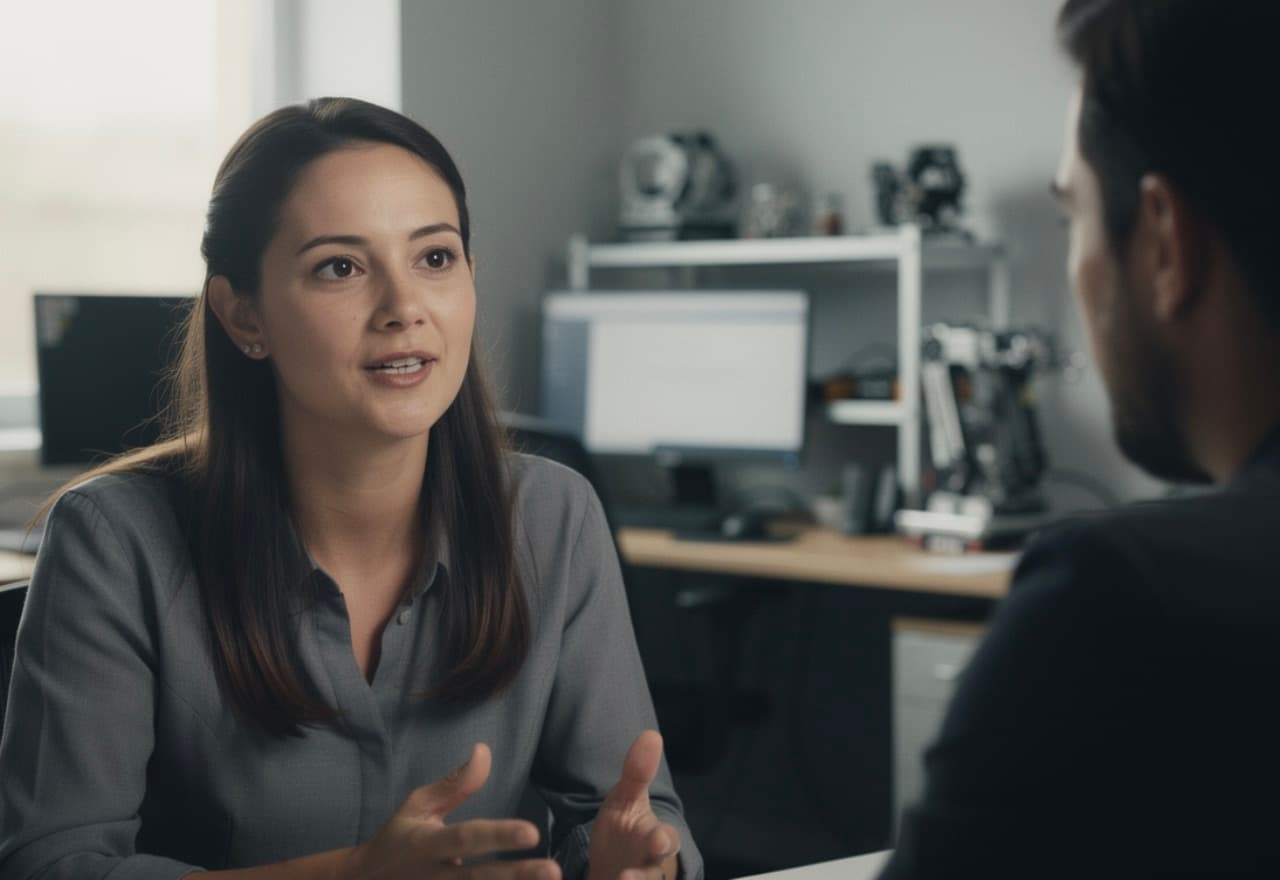
“We had two engineers maintaining a simulation rig that ran forty scenarios overnight. Halden runs twenty-four hundred on every pull request, and we gave those engineers back to the autonomy team.”
 Priya Raghavanhead of autonomy, wayfarer robotics
Questions.Answers.
Everything teams ask before their first run. More detail lives in the docs.
No. Halden runs on top of the physics backend you already use and reads your existing robot description. Your scenarios and assets stay in the formats your team knows.
Most teams have a first sweep running the same day. Connect the repo, point Halden at your robot description, and the first 2,400-scenario run comes back in about ten minutes.
Accurate enough to catch regressions before they reach hardware: across 1,100 policy changes with design partners, Halden caught 94% of them. The methodology is published in the docs.
That’s the usual case. Halden works from your own robot description on your own physics backend, so a custom platform runs the same way a standard one does.
Yes. SOC 2 Type II, encrypted at rest and in transit, with self-hosted runners and VPC deployment if models can’t leave your network. We never train on your models or resell telemetry.
500 simulation-hours are free every month, with no credit card. Beyond that, pricing scales with the simulation-hours you use. See the pricing page, or talk to us.
Find it in simulation first.500 simulation-hours free every month.
No credit card, no sales call.